
Significance of GLP-1 RA Science Day
In a recent judicial update, the United States District Court for the Eastern District of Pennsylvania has scheduled a pivotal event for June 14, 2024, termed “Science Day.” This session will focus on the medical and scientific issues surrounding the class of medications known as glucagon-like peptide-1 receptor agonists (GLP-1 RAs), which include well-known drugs such as Ozempic, Mounjaro, Rybelsus, and Wegovy.
The proceedings are set to provide an examination of the allegations linked to these drugs, shedding light on both the therapeutic efficacy and the potential adverse effects reported by users.
What are GLP-1 Receptor Agonists?
GLP-1 receptor agonists are a group of drugs used primarily in the management of type 2 diabetes. By mimicking the incretin hormones that the body usually produces after eating, these medications can increase insulin secretion, lower glucagon secretion, and slow gastric emptying.
This class of drugs is used not only for controlling blood glucose levels but also for aiding in weight loss.
However, the increasing reports of serious side effects have led to numerous legal challenges, prompting the need for a thorough review by the courts.

Scheduled Discussions at Science Day June 14, 2024
Science Day, set for June 14, 2024, will delve into four primary areas related to GLP-1 receptor agonists.
These discussions aim to clarify the scientific and medical backdrop against which legal claims are being evaluated.
This will include insights into the diseases these drugs treat, their biological mechanisms, the specific injuries alleged in legal actions, and the supporting medical literature. Each topic is designed to provide the court with a well-rounded understanding of the issues at stake.
1. Diseases Treated by GLP-1 RAs
The session will outline the primary health conditions GLP-1 receptor agonists address, emphasizing their role in managing type 2 diabetes and contributing to weight loss. Understanding these applications sets the foundation for discussing the drug’s benefits alongside its risks.
2. Mechanism and Regulation of GLP-1 RAs
Attention will be given to how GLP-1 RAs drugs function at a biochemical level, enhancing the body’s insulin response and managing blood sugar levels. Additionally, the discussion will cover the regulatory history of these medications, detailing their path through clinical trials and FDA approvals.
3. Reported GLP-1 RA Injuries
Science Day will include a thorough examination of the side effects and complications associated with GLP-1 receptor agonists, conditions that have been central to ongoing Ozempic litigation.
Gastroparesis
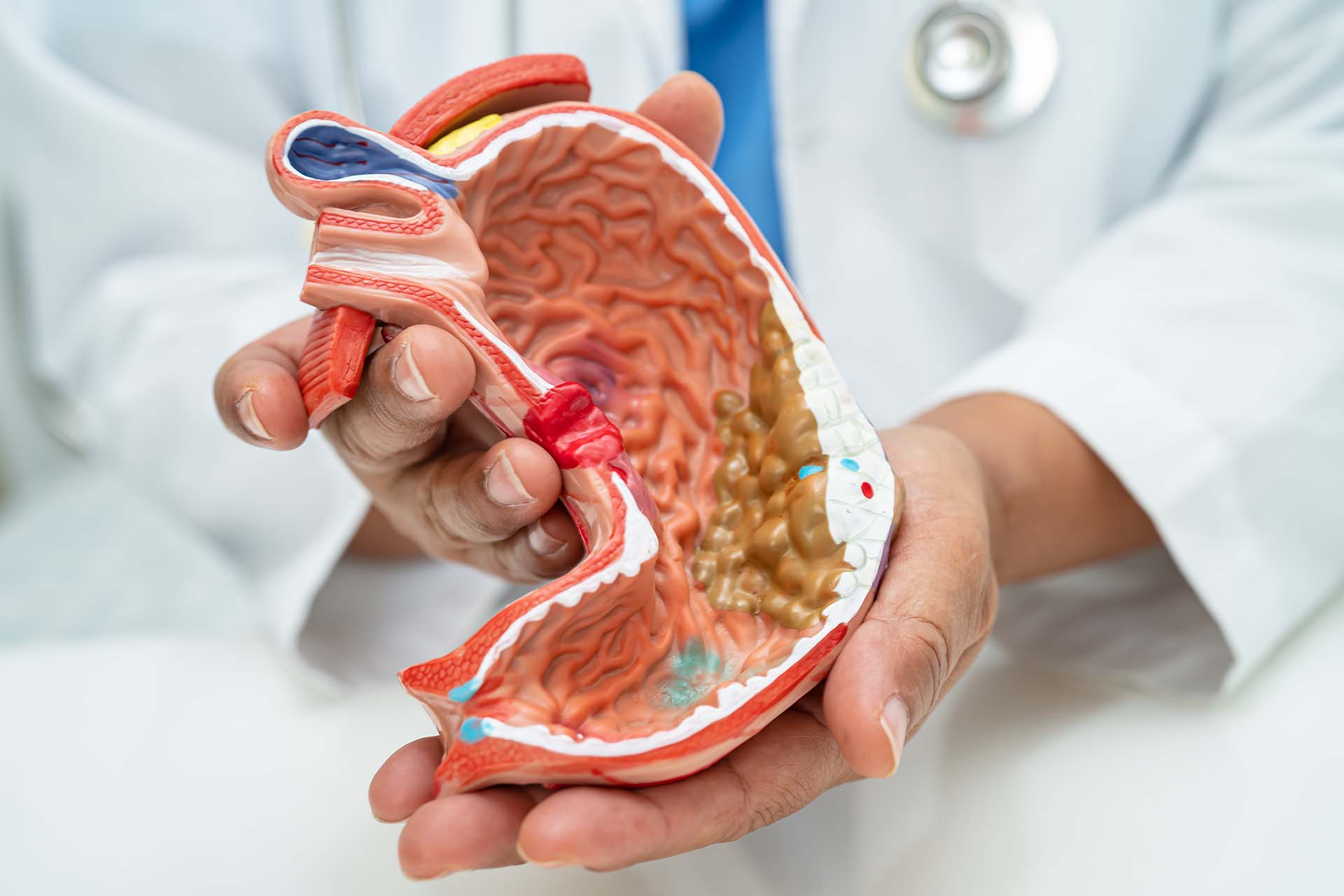
Gastroparesis, a condition in which the stomach takes too long to empty its contents, significantly impairs digestion and quality of life. This debilitating condition will be scrutinized for its direct impacts and long-term health implications.
Ileus
Ileus involves the severe slowing or stopping of intestinal activity, leading to potentially dangerous blockages. This condition will be explored in detail, discussing the disruption it causes to normal bowel function and the potential for acute medical intervention.
Intestinal Obstruction
Intestinal obstruction, which prevents the passage of food and liquids through the intestines, is another critical topic. The discussions will cover the symptoms, emergency responses, and surgical treatments often required to resolve such obstructions.
Gallbladder Disease and Gallstones
Gallbladder issues, including diseases and gallstones, cause significant pain and may require surgical intervention. The session will examine how GLP-1 RAs can exacerbate or contribute to these conditions.
Severe Gastrointestinal Disease
Severe gastrointestinal disease disrupts the entire digestive system, leading to a range of symptoms and complications. The conference will address the broad impacts of these diseases, from diagnosis to treatment options.
Deep Vein Thrombosis
Deep vein thrombosis, a condition characterized by blood clots in deep veins, can lead to life-threatening complications such as pulmonary embolism. The link between GLP-1 RAs and increased risk of this condition will be analyzed.
Malnutrition
Malnutrition as a secondary condition arising from the cumulative effects of these side effects will be discussed. The focus will be on how malnutrition can compound patient suffering and affect overall health outcomes.
4. Review of Medical Literature
Recent studies and medical research related to GLP-1 RAs will be presented. This review will encompass data from various sources, providing an evidence-based perspective on the drugs’ efficacy and safety profiles.
To effectively strategize for the litigation, all parties must have a clear understanding of this information. This includes the context, scale of the case, and the potential range of outcomes.
Topics Excluded from Discussion at Science Day
While Science Day is set to cover a broad spectrum of medical and scientific issues related to GLP-1 receptor agonists, certain topics have been explicitly excluded from the agenda.
Understanding what will not be discussed is equally important for setting expectations about the scope of the presentations.
Individual Plaintiffs
The personal cases of individual plaintiffs are not on the agenda. This means that specific personal narratives and individual medical histories related to the litigation will not be explored during the presentations. The focus remains strictly on the general medical and scientific information that affects the group of claimants as a whole.
Defendants' Sales and Marketing Practices
Another significant exclusion is the discussion regarding the sales and marketing practices of the defendants. This includes strategies, promotions, and any potentially misleading information disseminated by the manufacturers of GLP-1 RAs (Eli Lilly, Sanofi, Novo Nordisk, AstraZeneca).
Limitation to Publicly Available Information
The presentations are restricted to using only publicly available information. This limitation ensures that all discussed content is accessible to the public and verifiable, maintaining transparency and adhering to legal standards concerning the confidentiality of proprietary or sensitive information.
Confidentiality of the Transcript
Despite the public nature of the information discussed, the transcript of the Science Day proceedings will be treated as confidential. This measure is likely taken to protect the integrity of the ongoing litigation and to control the dissemination of discussed materials.
Duration of Presentations
Both the plaintiffs and the defense are allotted equal time for their presentations, with each side presenting for 2.5 hours. This structured approach ensures that both parties have a fair opportunity to present their findings and interpretations of the scientific and medical evidence.

As the date for Science Day approaches, legal professionals and stakeholders are preparing for an event that promises to significantly shape the landscape of litigation involving GLP-1 receptor agonists. This strategic review will likely have deep implications for ongoing and future Ozempic legal cases/
Consider Your Legal Rights
If you’re a patient who has used semaglutide medications such as Ozempic, Mounjaro, Wegovy, or Rybelsus, for diabetes or weight loss and have experienced adverse effects, you are not alone.
Delve into the possibility of securing compensation for severe side effects including gastroparesis and intestinal blockages.
Start a complimentary evaluation of your Ozempic case today.